

OUR FEATURES
Key Features of Agriculture & Organic Farming
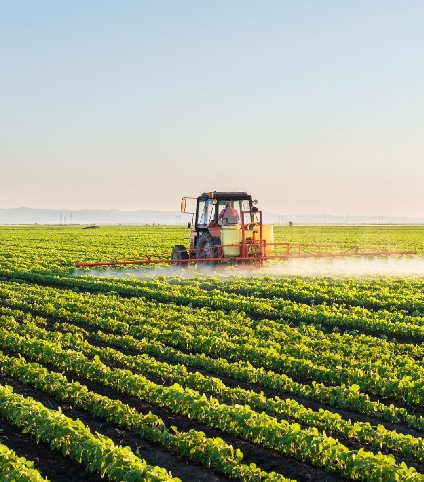
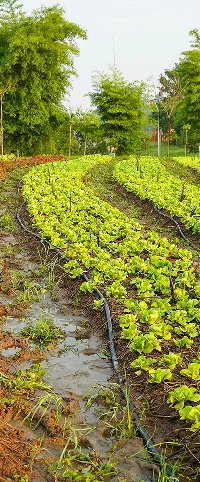
Our sustainable farming practices focus on soil health, biodiversity, and chemical-free crops to create a balanced and eco-friendly agricultural system.

Chemical-Free Farming
Eliminating synthetic pesticides and fertilizers.

Improved Soil Health
Using organic compost and crop rotation to maintain fertility.

Eco-Friendly Practices
Sustainable water management and natural pest control methods.

Better Nutrition & Taste
Growing fresh, high-quality, and nutrient-rich organic produce.
WHY CHOOSE US
Your Partner in Sustainable Farming
We ensure eco-friendly farming with sustainable practices that enhance soil health, reduce environmental impact, and provide fresh, chemical-free food while supporting farmers and biodiversity.
FACTS NUMBER
The Benefits of Organic Farming
Our sustainable farming methods contribute to environmental conservation, improved soil fertility, and healthier food, ensuring a positive impact on both nature and communities.
OUR WORKING PROCESS
How We Cultivate Sustainability
Our structured approach ensures eco-friendly and sustainable farming. We focus on natural methods, resource conservation, and high-quality organic produce to create a long-term positive impact on the environment and human health.

01
Soil Preparation & Natural Cultivation

02
Sustainable Growth & Eco-Friendly Farming
03
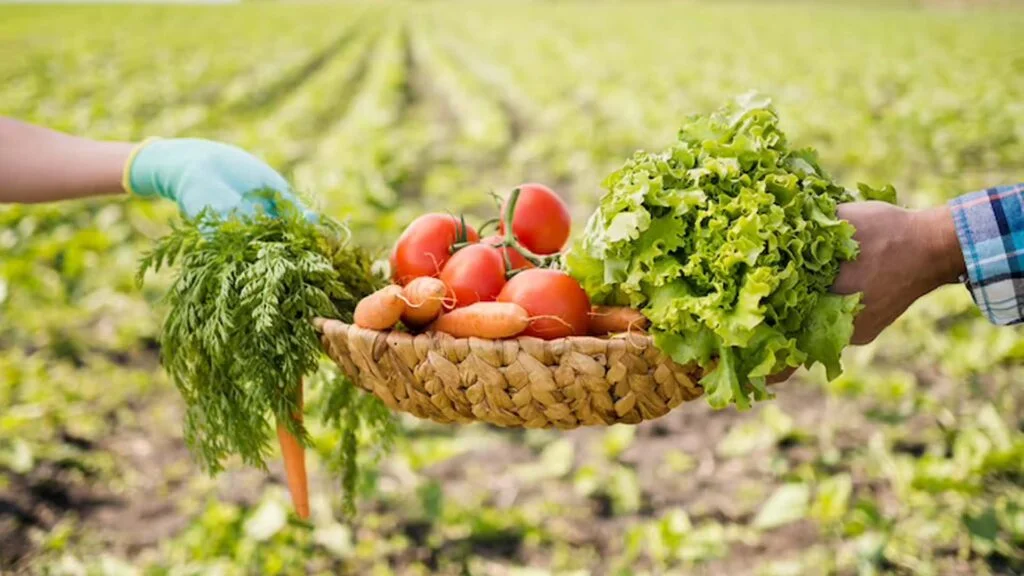
Harvesting & Community Distribution